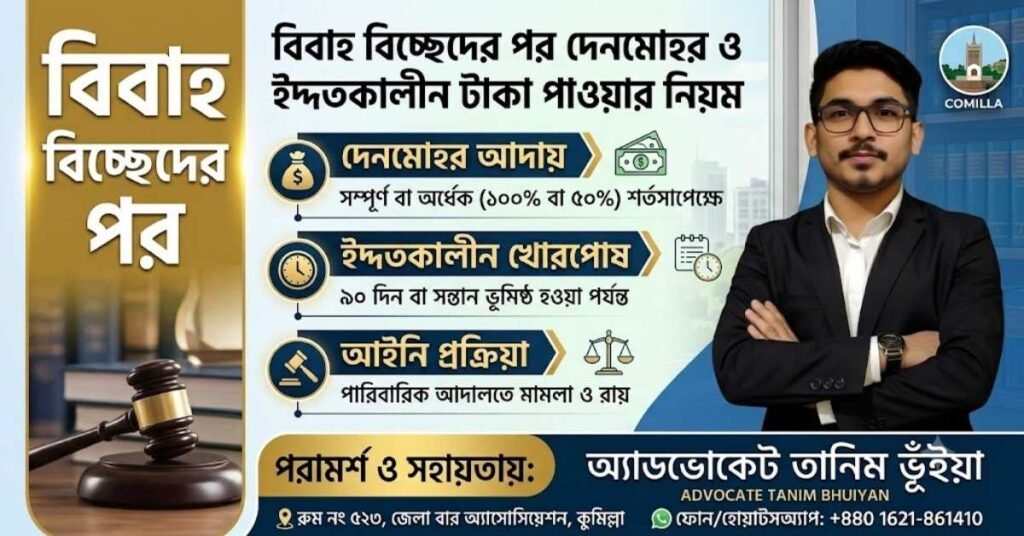
বিবাহ বিচ্ছেদের পর দেনমোহর ও ইদ্দদকালীন টাকা পাওয়ার নিয়ম

বিবাহ বিচ্ছেদের (ডিভোর্স) পর একজন স্ত্রী তার পাওনা দেনমোহর (Dower/Mahr) এবং ইদ্দতকালীন খোরপোষ (Maintenance during Iddah) পাওয়ার আইনগত ও ধর্মীয় অধিকার রাখেন। বাংলাদেশের ১৯৬১ সালের মুসলিম পারিবারিক আইন অধ্যাদেশ (Muslim Family Laws Ordinance) এবং ১৯৭৪ সালের দেনমোহর আইন অনুযায়ী এর স্পষ্ট নিয়ম নির্ধারণ করা রয়েছে।
দেন্মোহরের টাকা পাওয়ার নিয়ম

নিচে দেনমোহর ও ইদ্দতকালীন অর্থ পাওয়ার নিয়ম ও আইনি প্রক্রিয়া বিস্তারিত আলোচনা করা হলো:

১. দেনমোহর পাওয়ার নিয়ম ও পরিমাণ

দেনমোহর হলো বিবাহের সময় নির্ধারিত অর্থ বা সম্পত্তি, যা পরিশোধ করা স্বামীর জন্য বাধ্যতামূলক আইনি ও ধর্মীয় দায়িত্ব।

কখন ও কতটুকু পাওনা হয়?

দেনমোহরের ধরন:

১. মুয়াজ্জল (Prompt Dower): এটি স্ত্রী চাওয়ামাত্রই স্বামী পরিশোধ করতে বাধ্য।

২. মুয়াজ্জল বা স্থগিত (Deferred Dower): এটি সাধারণত বিবাহ বিচ্ছেদ বা স্বামীর মৃত্যুর পর পরিশোধযোগ্য হয়। বিচ্ছেদ হওয়া মাত্রই পুরো স্থগিত দেনমোহর বকেয়া (Debt) হিসেবে গণ্য হয় এবং সঙ্গে সঙ্গে আদায়যোগ্য হয়।

২. ইদ্দতকালীন খোরপোষ পাওয়ার নিয়ম

ডিভোর্স কার্যকর হওয়ার পর স্ত্রীকে আইন অনুযায়ী একটি নির্দিষ্ট সময় পর্যন্ত 'ইদ্দত' পালন করতে হয়। এই সময়টাতে তার ভরণপোষণ দেওয়ার দায়িত্ব স্বামীর।

ইদ্দতের মেয়াদ কতদিন?

ইদ্দতকালে কী কী খরচ পাবেন?

Adv-Tanim-Bhuiuyan-Banner-New

৩. টাকা আদায়ের আইনি প্রক্রিয়া (যদি স্বামী দিতে না চায়)

স্বামী যদি স্বেচ্ছায় দেনমোহর ও ইদ্দতকালীন অর্থ না দেয়, তবে আইনি প্রক্রিয়ার মাধ্যমে তা আদায় করা সম্ভব:

১. আইনি নোটিশ প্রেরণ (Legal Notice):পারিবারিক আপসের প্রথম ধাপ। জেলা লিগ্যাল এইডে গিয়ে আপোষের জন্যে অভিযোগ দায়ের করতে হবে।

প্রথমেই একজন অভিজ্ঞ আইনজীবীর মাধ্যমে স্বামীকে লিখিত 'আইনি নোটিশ' পাঠাতে হবে। নোটিশে নির্দিষ্ট সময়ের (যেমন: ১৫ বা ৩০ দিন) মধ্যে বকেয়া দেনমোহর ও ইদ্দতের টাকা পরিশোধের আহ্বান জানানো হয়।

২. পারিবারিক আদালতে মামলা দায়ের (Family Court Suit):আইনি লড়াই শুরু.

নোটিশের পর স্বামী টাকা পরিশোধ না করলে ১৯৮৫ সালের পারিবারিক আদালত অধ্যাদেশ অনুযায়ী স্থানীয় পারিবারিক আদালতে (Family Court) মামলা দায়ের করতে হবে।

৩. প্রমানপত্র পেশ ও শুনানি:আদালতি বিচার প্রক্রিয়া.

আদালতে কাবিননামা (নিকাহনামা), ডিভোর্স নোটিশ এবং ইদ্দত পালনের তথ্য প্রমাণ হিসেবে পেশ করতে হয়। শুনানি শেষে আদালত স্বামী কত টাকা দেনমোহর ও খোরপোষ বাবদ দেবেন তা নির্ধারণ করে রায় দেন।

4.৪. ডিগ্রি জারি ও ক্রোকি পরোয়ানা (Execution of Decree):টাকা আদায়ে আইনি প্রয়োগ.

আদালতের রায়ের পরও স্বামী টাকা না দিলে আদালতের মাধ্যমে স্থাবর-অস্থাবর সম্পত্তি ক্রোক (Seizure) করে বা স্বামীকে গ্রেফতার বা কারাদণ্ড দিয়ে দেনমোহরের টাকা আদায়ের ব্যবস্থা নেওয়া হয়।

গুরুত্বপূর্ণ তথ্য:

  • মামলা দায়েরের সময়সীমা (Limitation): ডিভোর্স কার্যকর হওয়ার পর থেকে ৩ বছরের মধ্যে দেনমোহর আদায়ের মামলা করতে হয়। ৩ বছর পার হয়ে গেলে মামলা পরিচালনা আইনি জটিলতায় পড়তে পারে।
  • মামলার খরচ: দেনমোহরের মামলা দায়ের করতে আদালত ফি অত্যন্ত সামান্য (সর্বোচ্চ কয়েকটি নির্ধারিত স্কেল অনুযায়ী)।
জমি কেনার আগে কি কি দেখতে হবে?

জমি কেনা প্রতিটি মানুষের জীবনের অন্যতম বড় একটি স্বপ্ন এবং বিনিয়োগ। তবে যথাযথ তথ্য ও কাগজের অভাবে সামান্য ভুলেই ভেস্তে যেতে পারে আপনার সারাজীবনের জমানো সঞ্চয়। বাংলাদেশে ভুয়া দলিল বা বিরোধপূর্ণ জমি সংক্রান্ত মামলা-মোকাদ্দমার সংখ্যা অগণিত। তাই জমি কেনার সিদ্ধান্ত নেওয়ার আগে আবেগ নয়, বরং কাগজপত্র ও আইনি যাচাই-বাছাইকে সবচেয়ে বেশি গুরুত্ব দিতে হবে।

আজকের আর্টিকেলে আমরা আলোচনা করব জমি কেনার আগে কোন ৫টি জরুরি কাগজ অবশ্যই চেক করতে হবে এবং জমি জালিয়াতি এড়াতে কোন লাল নিশান (Red Flags) বা বিষয়গুলোতে সতর্ক থাকা উচিত।

জমি কেনার আগে কি কি দেখতে হবে?

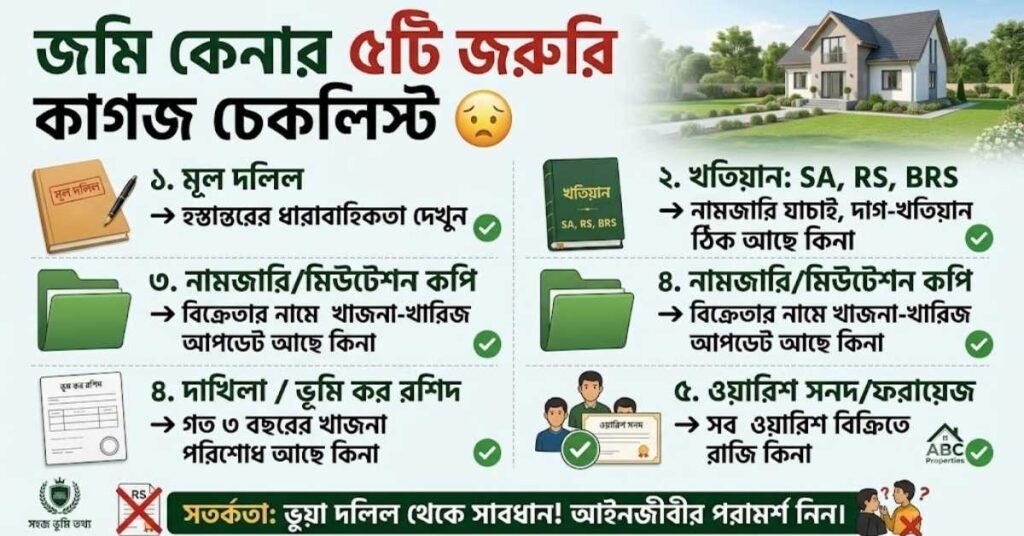
জমি কেনার আগে ৫টি জরুরি কাগজের চেক লিস্ট (Checklist)

জমি রেজিস্ট্রি করার আগে বিক্রেতার কাছ থেকে নিচের ৫টি প্রধান কাগজপত্র চেয়ে নিন এবং সাবধানে যাচাই করুন:

১. মূল দলিল / সাব-কবলা (Original Deed)

জমির প্রকৃত মালিকানা প্রমাণের প্রধান দলিল হলো সাব-কবলা বা মূল দলিল।

২. খতিয়ান: SA, RS, BRS (Khatiyan / Record of Rights)

খতিয়ান হলো জমির সত্যতা ও মালিকানার সরকারি রেকর্ড। সময়ের সাথে সাথে সিএস (CS), এসএ (SA), আরএস (RS), বিএস (BS/BRS) ইত্যাদি খতিয়ান প্রস্তুত করা হয়েছে।

৩. নামজারি / মিউটেশন কপি (Mutation Copy)

জমি কেনা বা উত্তরাধিকার সূত্রে পাওয়ার পর সরকারি রেকর্ডে নিজের নাম তোলাই হলো 'নামজারি' বা 'মিউটেশন'।

৪. দাখিলা / ভূমি উন্নয়ন করের রশীদ (Land Tax Receipt)

ভূমি উন্নয়ন কর বা সহজ কথায় 'জমির খাজনা' পরিশোধের রশিদকে দাখিলা বলা হয়।

৫. ওয়ারিশ সনদ / ফরায়েজ (Inheritance Certificate)

যদি জমিটি মূল মালিকের মৃত্যুর পর তার ওয়ারিশদের (উত্তরাধিকারীদের) কাছ থেকে কেনা হয়, তবে এটি অত্যন্ত সংবেদনশীল।

Adv-Tanim-Bhuiuyan-Banner-New

জমি কেনার ক্ষেত্রে ৩টি বড় "লাল নিশান" (Red Flags) — যা ভুলেও করবেন না!

কাগজপত্র দেখার সময় নিচের ৩টি বিষয়ে অতিরিক্ত সতর্ক থাকুন:

১. শুধু RS বা কোনো একটি রেকর্ড দেখে জমি কিনবেন না: অনেকে কেবল একটি জরিপ বা রেকর্ড দেখিয়ে জমি বিক্রি করতে চান। অবশ্যই CS থেকে শুরু করে সর্বশেষ BRS পর্যন্ত রেকর্ডের ধারাবাহিকতা মিলিয়ে দেখবেন।

২. মৌখিক কথায় কোনো বিশ্বাস নয়: "কাগজ পরে দেব", "সম্পর্ক ভালো, সমস্যা হবে না" — এই ধরণের মৌখিক আশ্বাসে এক টাকাও বায়না বা লেনদেন করবেন না। যা হবে শতভাগ লিখিত ও অফিসিয়াল কাগজের ভিত্তিতে।

৩. জটিলতা মনে হলেই অভিজ্ঞ পরামর্শ নিন: জমির কাগজ বা মালিকানায় বিন্দুমাত্র জটিলতা বা সন্দেহ দেখা দিলে রেজিস্ট্রি করার আগেই একজন অভিজ্ঞ দলিল লেখক বা ভূমি বিষয়ক আইনজীবীর (Land Advocate) মাধ্যমে কাগজ যাচাই-বাছাই (Search/Vetting) করিয়ে নিন।

সাধারণ জিজ্ঞাসিত প্রশ্নাবলী (FAQs)

প্রশ্ন ১: বায়না করার আগে কত টাকা দেওয়া উচিত?

উত্তর: বায়না দলিলে নির্দিষ্ট পরিমাণ টাকা দিয়ে জমি রেজিস্ট্রি করার জন্য একটি নির্দিষ্ট সময়সীমা (যেমন: ৩ বা ৬ মাস) নির্ধারণ করা হয়। কাগজপত্র শতভাগ যাচাই না করে বড় অঙ্কের বায়না দেওয়া উচিত নয়।

প্রশ্ন ২: সরকারি বা খাস জমি কিভাবে চিনব?

উত্তর: এসিল্যান্ড অফিস থেকে জমির দাগ ও খতিয়ান নম্বর দিয়ে অনুসন্ধান করলে জানা যাবে জমিটি সরকারি খাস জমি, অর্পিত সম্পত্তি বা নদী/রাস্তার মধ্যে পড়েছে কিনা।

উপসংহার

জমি কেনা আপনার জীবনের অন্যতম আনন্দদায়ক ঘটনা হতে পারে, যদি তা সঠিক আইনি নিয়ম মেনে কেনা হয়। তাই তাড়াহুড়ো না করে ওপরের ৫টি জরুরি কাগজ (দলিল, খতিয়ান, নামজারি, দাখিলা ও ওয়ারিশ সনদ) সঠিকভাবে চেক করুন এবং সমস্ত ঝুঁকি এড়িয়ে নিশ্চিন্তে আপনার স্বপ্নের জমির মালিক হোন।

বাংলাদেশ বিচার বিভাগ সচিবালয় না হয়ে ‘সুপ্রিম কোর্ট সচিবালয়’ নামকরণ কেন?

বাংলাদেশের বিচার বিভাগের ইতিহাসে একটি যুগান্তকারী পরিবর্তনের দ্বারপ্রান্তে আমরা দাঁড়িয়ে আছি। দীর্ঘ কয়েক দশকের আইনি লড়াই, সাংবিধানিক বিতর্ক এবং মাসদার হোসেন মামলার রায়ের পূর্ণাঙ্গ বাস্তবায়নের অংশ হিসেবে অবশেষে একটি স্বতন্ত্র সচিবালয় প্রতিষ্ঠার উদ্যোগ নেওয়া হয়েছে। এই প্রতিষ্ঠানটির নামকরণ করা হয়েছে ‘সুপ্রিম কোর্ট সচিবালয়’ (Supreme Court Secretariat)।

সাধারণ মানুষের মনে বা বিচার বিভাগের অনেকের আবেগের জায়গা থেকে প্রশ্ন উঠতে পারে—এর নাম ‘বিচার বিভাগ সচিবালয়’ হলে কি বেশি ভালো হতো না? নামটিতে তো পুরো বিচার অঙ্গনের একাত্ববোধ ফুটে উঠত। কিন্তু আইনের গভীর বিশ্লেষণ, প্রশাসনিক কৌশল এবং বিচার বিভাগের নিরঙ্কুশ স্বাধীনতা নিশ্চিত করার প্রশ্নে ‘সুপ্রিম কোর্ট সচিবালয়’ নামটিই কেন অপরিহার্য, তা জানা প্রতিটি সচেতন নাগরিকের জন্য জরুরি।

এই আর্টিকেলে আমরা আলোচনা করব কেন এই নামকরণ, এর পেছনের সাংবিধানিক যুক্তি কী, এবং সাধারণ মানুষের বিচার পাওয়ার ক্ষেত্রে এই পরিবর্তন কী প্রভাব ফেলবে।

Separate Supreme Court secretariat

বিচার বিভাগের স্বাধীনতার দীর্ঘ সংগ্রাম ও প্রেক্ষাপট

বিচার বিভাগের জন্য একটি পৃথক সচিবালয়ের প্রয়োজনীয়তা একদিনে তৈরি হয়নি। এর পেছনে রয়েছে দীর্ঘ বঞ্চনা ও নিয়ন্ত্রণের ইতিহাস।

ঐতিহাসিক প্রেক্ষাপট

১৯৭২ সালের মূল সংবিধানে বিচার বিভাগের স্বাধীনতার সুস্পষ্ট ঘোষণা ছিল। সংবিধানের ২২ অনুচ্ছেদে রাষ্ট্র পরিচালনার মূলনীতি হিসেবে বলা হয়েছে যে, রাষ্ট্র নির্বাহী বিভাগ থেকে বিচার বিভাগকে পৃথকীকরণ নিশ্চিত করবে। কিন্তু ১৯৭৫ সালের চতুর্থ সংশোধনীর মাধ্যমে বিচার বিভাগের ওপর নির্বাহী বিভাগের (সরকারের) নিয়ন্ত্রণ প্রতিষ্ঠা করা হয়। এরপর দীর্ঘ সময় ধরে অধস্তন বা নিম্ন আদালতের বিচারকদের নিয়োগ, বদলি এবং পদোন্নতির ক্ষমতা আইন মন্ত্রণালয়ের হাতে ন্যস্ত ছিল।

মাসদার হোসেন মামলা: স্বাধীনতার ভিত্তিপ্রস্তর

১৯৯৯ সালে ঐতিহাসিক ‘মাসদার হোসেন বনাম বাংলাদেশ’ মামলার রায়ে সুপ্রিম কোর্টের আপিল বিভাগ বিচার বিভাগকে নির্বাহী বিভাগ থেকে আলাদা করার জন্য ১২ দফা নির্দেশনা প্রদান করেন। এই রায়ের অন্যতম প্রধান নির্দেশনা ছিল—বিচার বিভাগের প্রশাসনিক কাজ পরিচালনার জন্য আইন মন্ত্রণালয়ের নিয়ন্ত্রণমুক্ত একটি ‘পৃথক সচিবালয়’ প্রতিষ্ঠা করা।

দীর্ঘ দুই যুগেরও বেশি সময় পেরিয়ে গেলেও, নানা রাজনৈতিক ও আমলাতান্ত্রিক জটিলতায় সেই সচিবালয় আলোর মুখ দেখেনি। বর্তমান সময়ে রাষ্ট্রীয় সংস্কারের অংশ হিসেবে সেই দীর্ঘদিনের দাবি পূরণ হতে যাচ্ছে।

‘সুপ্রিম কোর্ট সচিবালয়’ নামকরণের নেপথ্য কারণ ও সাংবিধানিক যুক্তি

নামকরণ কেবল একটি সাইনবোর্ড পরিবর্তনের বিষয় নয়; এটি ক্ষমতার উৎস ও প্রয়োগের নির্দেশক। কেন ‘বিচার বিভাগ সচিবালয়’ না বলে ‘সুপ্রিম কোর্ট সচিবালয়’ বলা হচ্ছে, তার পেছনে রয়েছে শক্ত সাংবিধানিক ভিত্তি।

ক. সংবিধানের ১০৯ অনুচ্ছেদের প্রয়োগ

বাংলাদেশের সংবিধানের ১০৯ অনুচ্ছেদ অনুযায়ী, হাইকোর্ট বিভাগের অধস্তন সকল আদালত ও ট্রাইব্যুনালের ওপর হাইকোর্টের তত্ত্বাবধান ও নিয়ন্ত্রণ ক্ষমতা রয়েছে। এতদিন আইন মন্ত্রণালয়ের মাধ্যমে এই কাজগুলো হতো বলে বিচার বিভাগের ওপর এক ধরণের ‘দ্বৈত শাসন’ বজায় ছিল।

সহজ কথায়: বিচারক একজন, কিন্তু তার বস দুইজন। রায়ের ক্ষেত্রে তিনি সুপ্রিম কোর্টের অধীন, কিন্তু তার বদলি বা ছুটির জন্য তাকে মন্ত্রণালয়ের আমলার দিকে তাকিয়ে থাকতে হতো।

এখন যেহেতু এই প্রশাসনিক ক্ষমতা সুপ্রিম কোর্ট সরাসরি প্রয়োগ করবে, তাই এই কর্মযজ্ঞ পরিচালনার জন্য যে সচিবালয়টি কাজ করবে, তা গঠনগতভাবে সুপ্রিম কোর্টেরই অংশ হওয়া বাঞ্ছনীয়। ‘সুপ্রিম কোর্ট সচিবালয়’ নামটি এই মালিকানা ও কর্তৃত্বকে স্পষ্ট করে।

খ. প্রশাসনিক ধোঁয়াশা দূরীকরণ

যদি এর নাম ‘বিচার বিভাগ সচিবালয়’ রাখা হতো, তবে প্রশাসনিকভাবে একটি ধোঁয়াশা তৈরির সুযোগ থাকত। ভবিষ্যতে প্রশ্ন উঠতে পারত:

‘সুপ্রিম কোর্ট সচিবালয়’ নামটি এই সমস্ত বিভ্রান্তি দূর করে নিশ্চিত করে যে, এই সচিবালয়টি সরাসরি মাননীয় প্রধান বিচারপতির অধীন এবং সুপ্রিম কোর্টের রেজিস্ট্রার জেনারেলের দপ্তরের একটি বর্ধিত ও শক্তিশালী প্রশাসনিক রূপ।

‘বিচার বিভাগ সচিবালয়’ ও ‘সুপ্রিম কোর্ট সচিবালয়’-এর মধ্যে পার্থক্য

যদিও উভয় নামের মূল উদ্দেশ্য বিচার বিভাগের স্বাধীনতা নিশ্চিত করা, তবু এদের ধারণা ও প্রায়োগিক অর্থের মধ্যে সূক্ষ্ম কিন্তু অত্যন্ত গুরুত্বপূর্ণ পার্থক্য রয়েছে।

পার্থক্যের বিষয় বিচার বিভাগ সচিবালয় (Judicial Secretariat) সুপ্রিম কোর্ট সচিবালয় (Supreme Court Secretariat)
ধারণাগত অর্থ এটি একটি ব্যাপক ধারণা, যা বিচার বিভাগের প্রশাসনিক কাজের জন্য স্বতন্ত্র একটি দপ্তরকে বোঝায়। এটি সুনির্দিষ্টভাবে সুপ্রিম কোর্টের প্রশাসনিক কাঠামোর অবিচ্ছেদ্য অংশ।
নিয়ন্ত্রণ ও কর্তৃত্ব ভবিষ্যতে নির্বাহী বিভাগ বা মন্ত্রণালয়ের পরোক্ষ প্রভাব বিস্তারের বা প্যারালাল অথরিটি তৈরির সুযোগ থাকতে পারে। এর নিয়ন্ত্রণ শতভাগ সুপ্রিম কোর্টের রেজিস্ট্রার জেনারেল এবং প্রধান বিচারপতির হাতে থাকে। বাইরের হস্তক্ষেপের সুযোগ নেই।
সাংবিধানিক অবস্থান সংবিধানের কাঠামোতে এর অবস্থান কিছুটা অস্পষ্ট হতে পারে। সংবিধানের ১০৯ অনুচ্ছেদের সাথে সরাসরি সঙ্গতিপূর্ণ।
চেইন অব কমান্ড অধস্তন আদালতগুলো এটিকে সুপ্রিম কোর্টের প্রতিদ্বন্দ্বী বা বিকল্প প্রশাসনিক কেন্দ্র ভাবতে পারে। চেইন অব কমান্ড বা হাইকোর্টের তত্ত্বাবধান অক্ষুণ্ন থাকে।

আবেগের বনাম বাস্তবতার লড়াই: কোন নামটি অধিক যৌক্তিক?

অধস্তন আদালতের বিচারকদের অনেকের আবেগের জায়গা থেকে ‘বিচার বিভাগ সচিবালয়’ নামটি বেশি গ্রহণযোগ্য মনে হতে পারে। কারণ, তারা মনে করেন এতে উচ্চ আদালত ও নিম্ন আদালতের মধ্যে বিভাজন কমে আসবে এবং তারা নিজেদের সরাসরি ‘বিচার বিভাগের অংশ’ হিসেবে ভাববেন, সুপ্রিম কোর্টের ‘অধীনস্থ’ হিসেবে নয়।

তবে রাষ্ট্র পরিচালনার ক্ষেত্রে আবেগ অপেক্ষা আইনি সুরক্ষা ও দীর্ঘমেয়াদী কৌশল বেশি গুরুত্বপূর্ণ।

আইনি সুরক্ষা (Legal Safeguard)

বিচার বিভাগের স্বাধীনতা মানেই হলো নির্বাহী বিভাগ (মন্ত্রণালয়) থেকে আলাদা হওয়া। ‘সুপ্রিম কোর্ট সচিবালয়’ নাম হলে নির্বাহী বিভাগ চাইলেও ভবিষ্যতে এই সচিবালয়ের ওপর কর্তৃত্ব দাবি করতে পারবে না, কারণ এটি সুপ্রিম কোর্টের ‘নিজস্ব অঙ্গ’ (Organ)। কিন্তু ‘বিচার বিভাগ সচিবালয়’ হলে ভবিষ্যতে কোনো সরকার আইন করে এর নিয়ন্ত্রণ মন্ত্রণালয়ের যুগ্ম-সচিব বা অন্য কোনো আমলার হাতে তুলে দেওয়ার চেষ্টা করতে পারে।

চেইন অব কমান্ড রক্ষা (Preserving Chain of Command)

বিচার বিভাগে চেইন অব কমান্ড বা হাইকোর্টের তত্ত্বাবধান অত্যন্ত জরুরি। একটি পৃথক ‘বিচার বিভাগ সচিবালয়’ হলে ভবিষ্যতে সেটি সুপ্রিম কোর্টের সমান্তরাল বা ‘প্যারালাল’ কোনো শক্তিকেন্দ্র হয়ে ওঠার ঝুঁকি থাকত। প্রশাসনিক কর্মকর্তারা তখন বিচারকদের ওপর ছড়ি ঘোরানোর চেষ্টা করতে পারতেন, যা বিচার প্রশাসনের শৃঙ্খলার জন্য ক্ষতিকর হতে পারত। সুপ্রিম কোর্টের অধীনে রাখলে সেই ঝুঁকি থাকে না।

দ্বৈত শাসনের অবসান: বিচারকদের ওপর কী প্রভাব পড়বে?

এতদিন বাংলাদেশে অধস্তন আদালতের বিচারকদের ওপর এক অদ্ভুত ‘দ্বৈত শাসন’ (Dual Rule) চালু ছিল। সংবিধানের ১১৬ অনুচ্ছেদের কারণে বিচারকদের পোস্টিং, প্রমোশন ও ছুটির বিষয়টি রাষ্ট্রপতির হাতে (প্রকৃতপক্ষে আইন মন্ত্রণালয়ের হাতে) ন্যস্ত ছিল।

নতুন ‘সুপ্রিম কোর্ট সচিবালয়’ প্রতিষ্ঠার ফলে:

১. স্বাধীনভাবে কাজ করা: বিচারকদের আর বদলি বা পদোন্নতির জন্য মন্ত্রণালয়ের বারান্দায় ঘুরতে হবে না। তারা নির্ভয়ে ও স্বাধীনভাবে বিচার কাজ পরিচালনা করতে পারবেন।

২. দ্রুত নিয়োগ ও পদোন্নতি: মন্ত্রণালয়ের লাল ফিতার দৌরাত্ম্য না থাকায় শূন্য পদে দ্রুত বিচারক নিয়োগ এবং যোগ্যদের পদোন্নতি নিশ্চিত হবে।

৩. শৃঙ্খলা রক্ষা: কোনো বিচারক দুর্নীতি বা অসদাচরণ করলে সুপ্রিম কোর্ট সরাসরি তার বিরুদ্ধে ব্যবস্থা নিতে পারবে, যা আগে দীর্ঘ আমলাতান্ত্রিক প্রক্রিয়ায় আটকে থাকত।

সাধারণ মানুষের কী লাভ? (Public Benefit)

অনেকেই প্রশ্ন করতে পারেন, সচিবালয়ের নাম বা কাঠামো বদলে সাধারণ মানুষের কী লাভ? উত্তরটি অত্যন্ত সরাসরি:

উপসংহার

পরিশেষে বলা যায়, যদিও ‘বিচার বিভাগ সচিবালয়’ নামটি শ্রুতিমধুর এবং সর্বজনীন মনে হয়, কিন্তু মাসদার হোসেন মামলার রায়ের পূর্ণ বাস্তবায়ন এবং বিচার বিভাগের প্রকৃত স্বাধীনতা নিশ্চিত করতে ‘সুপ্রিম কোর্ট সচিবালয়’ নামটিই অধিকতর বাস্তবসম্মত ও আইনিভাবে শক্তিশালী।

এটি নিশ্চিত করে যে, বিচার বিভাগের প্রশাসনিক নাটাই এখন থেকে আর মন্ত্রণালয়ের হাতে নয়, বরং সরাসরি দেশের সর্বোচ্চ আদালতের হাতেই থাকবে, যা সংবিধানের ১০৯ অনুচ্ছেদের চেতনার সাথে পুরোপুরি সঙ্গতিপূর্ণ।

সুপ্রিম কোর্ট সচিবালয় প্রতিষ্ঠা বর্তমান সরকার, মাননীয় প্রধান বিচারপতি এবং মাননীয় অ্যাটর্নি জেনারেলের সম্মিলিত প্রচেষ্টার এক ঐতিহাসিক সাফল্য। এটি কেবল একটি প্রশাসনিক ভবন বা দপ্তর নয়; এটি বাংলাদেশের মানুষের ন্যায়বিচার পাওয়ার আকাঙ্ক্ষার একটি প্রতীকী দুর্গ।

দলিলে ভুল থাকলে সংশোধন করার উপায় – ২০২৫ আপডেট

জমি কেনা-বেচার ক্ষেত্রে দলিল একটি অত্যন্ত গুরুত্বপূর্ণ দলিল। দলিলে ছোট একটি ভুলও ভবিষ্যতে বড় ঝামেলার কারণ হতে পারে—মামলা, দলিল জটিলতা, মালিকানা দ্বন্দ্বসহ বিভিন্ন সমস্যা দেখা দিতে পারে। তাই দলিল রেজিস্ট্রেশনের পরে যদি কোনো ভুল ধরা পড়ে, সেটি যত দ্রুত সম্ভব সংশোধন করা জরুরি।
এই আর্টিকেলে আমরা বিস্তারিতভাবে জানব—দলিলে কী কী ধরনের ভুল হতে পারে, কোন ভুল কীভাবে সংশোধন করতে হয়, ভ্রম সংশোধন দলিল কী, আদালতের মাধ্যমে সংশোধনের নিয়ম, প্রয়োজনীয় কাগজপত্র, ফি, সময়সীমা, আইনগত বিধান, এবং বাস্তবে মানুষ কোন ভুলগুলো সবচেয়ে বেশি করে থাকে।

দলিলে ভুল থাকলে সংশোধন করার উপায়

দলিলে ভুল কীভাবে হয়ে থাকে?

দলিলে সাধারণত দুই ধরনের ভুল দেখা যায়—

১. সাধারণ বা করণিক ভুল (Minor Errors)

যেমন—

এসব ভুল দলিলের স্বত্ব বা মালিকানা পরিবর্তন করে না।

২. গুরুতর বা স্বত্ব-সংক্রান্ত ভুল (Major Errors)

যেমন—

এসব ভুল দলিলের মূল কাঠামো ও স্বত্বকে প্রভাবিত করে। এ ধরনের ভুল সাধারণত সাব-রেজিস্ট্রার অফিসে সংশোধন করা যায় না; আদালতে মামলা করতে হয়।

দলিলে ভুল সংশোধনের দুটি পদ্ধতি

দলিলে ভুল সংশোধনের জন্য মূলত দুইটি পথ অনুসরণ করতে হয়:

পদ্ধতি–১: সাব-রেজিস্ট্রার অফিসের মাধ্যমে ভ্রম সংশোধন দলিল (Rectification Deed)

এই পদ্ধতিতে ছোটখাটো বা করণিক ভুল সংশোধন করা যায়।
যেমন—

কারা করতে পারবেন?

ভ্রম সংশোধন দলিল করতে হবে—

দাতা ও গ্রহীতা উভয়েই উপস্থিত থাকলে সংশোধন সহজ হয়।

ভ্রম সংশোধন দলিল করার ধাপসমূহ

ভ্রম সংশোধন দলিল করার প্রক্রিয়া মূলত দাতা ও গ্রহীতার পারস্পরিক সম্মতির ওপর ভিত্তি করে সম্পন্ন হয়। প্রথমে ভুল অংশ শনাক্ত করে উভয় পক্ষকে সংশোধনে সম্মত হতে হয়। এরপর একজন দলিল লেখক বা নথিকারকে দিয়ে নতুন ভ্রম সংশোধন দলিলের খসড়া প্রস্তুত করা হয়, যেখানে ভুল তথ্য ও সঠিক তথ্য পরিষ্কারভাবে উল্লেখ থাকে। তারপর দাতা ও গ্রহীতা উভয়েই সাব-রেজিস্ট্রার অফিসে উপস্থিত হয়ে দলিলে সই করেন। নির্ধারিত স্ট্যাম্প ও রেজিস্ট্রেশন ফি প্রদান শেষে সংশোধিত দলিলটি আনুষ্ঠানিকভাবে রেজিস্ট্রেশন সম্পন্ন হয়।

১. ভুল শনাক্ত করা ও উভয় পক্ষের সম্মতি নেওয়া

প্রথমে ভুলটি লিখিতভাবে চিহ্নিত করুন। তারপর দাতা ও গ্রহীতা উভয়ের সম্মতি নিতে হবে।

২. ভ্রম সংশোধন দলিল খসড়া তৈরি

এটি একজন দলিল লেখক/নথিকার বা আইনজীবীর মাধ্যমে করা যায়। ভুল অংশটি স্পষ্টভাবে উল্লেখ করে সংশোধিত তথ্য সংযুক্ত করতে হয়।

৩. সাব-রেজিস্ট্রার অফিসে গিয়ে দলিল সম্পাদন

উভয় পক্ষকে অফিসে গিয়ে সই করতে হয়। সাব-রেজিস্ট্রার দলিল যাচাই করে রেজিস্ট্রেশন অনুমোদন করেন।

৪. স্ট্যাম্প ও রেজিস্ট্রেশন ফি পরিশোধ

সাধারণত ভ্রম সংশোধন দলিলে বড় স্ট্যাম্প ডিউটি লাগেনা। কিছু ক্ষেত্রে স্ট্যাম্প ডিউটি মওকুফও থাকে (অফিস অনুযায়ী ভিন্ন হতে পারে)।

ভ্রম সংশোধন দলিলের জন্য প্রয়োজনীয় কাগজপত্র

কখন ভ্রম সংশোধন দলিল করা যাবে না?

এসব ক্ষেত্রে আদালতের শরণাপন্ন হতে হবে।

পদ্ধতি–২: দেওয়ানি আদালতে মামলা করে দলিল সংশোধন

কিছু ভুল এত গুরুতর হয় যে সাব-রেজিস্ট্রার অফিস তা ঠিক করতে পারে না।এ গুলি সাধারণত মালিকানা, জমির পরিমাণ বা স্বত্ব সংক্রান্ত ভুল। এ ধরনের ভুলের ক্ষেত্রে দেওয়ানি আদালতে মামলা করতে হয়।

কখন আদালতে মামলা করতে হবে?

কোন আইনে মামলা হয়?

Specific Relief Act, 1877 – Section 31 এই ধারায় দলিল সংশোধনের মোকদ্দমা (Suit for Rectification of Instrument) দায়ের করা হয়।

মামলা করার সময়সীমা (Limitation Period)

→ ভুল ধরা পড়ার তারিখ থেকে ৩ বছরের মধ্যে মামলা করতে হবে।
→ ৩ বছর পর দলিল সংশোধন মামলা তামাদি (time-barred) হয়ে যায়।

তবে বিশেষ ক্ষেত্রে Declaratory Suit করা যায় যেখানে ঘোষণার মাধ্যমে সংশোধন আদেশ নেওয়া সম্ভব।

দলিল সংশোধনের মামলা করার ধাপসমূহ

১. অভিজ্ঞ সিভিল আইনজীবী নিয়োগ

দলিল আইন ও ভূমি আইনে অভিজ্ঞ একজন আইনজীবী নির্বাচন করুন।

২. দলিল, ভুল তথ্যের প্রমাণ ও কাগজপত্র সংগ্রহ

যেমন—

৩. সংশ্লিষ্ট দেওয়ানি আদালতে মামলা দায়ের

আইনজীবী মামলা প্রস্তুত করে আদালতে দাখিল করেন।

৪. আদালতের শুনানি ও রায়

আদালত উভয় পক্ষের বক্তব্য শুনে ভুল সংশোধনের নির্দেশ দেন।

দলিলে যেসব ভুল সবচেয়ে বেশি দেখা যায় (বাংলাদেশে সাধারণ ভুল)

১. দাগ ও খতিয়ান নম্বর ভুল

সাধারণ ভুল হলেও জটিলতা তৈরি করে।

২. ভুল চৌহদ্দি উল্লেখ

ভূমির সীমানা ভুল লেখা থাকলে ভবিষ্যতে বিরোধ সৃষ্টি হয়।

৩. জমির পরিমাণ ভুল

২০ শতক লেখা হওয়ার কথা, কিন্তু লেখা হলো ৩০ শতক—এ ধরনের ভুল গুরুতর।

৪. নামের বানান ভুল

জাতীয় পরিচয়পত্রের সাথে মিল না থাকলে সমস্যা তৈরি হয়।

৫. দলিল লেখার সময় তথ্য কপি করতে ভুল

এটিই সবচেয়ে বেশি হয়।

৬. মৌজার নাম ভুল বা অসম্পূর্ণ লেখা

এসব ভুল ভূমি রেকর্ডের সাথে অসামঞ্জস্য তৈরি করে।

দলিল সংশোধনের ক্ষেত্রে কার্যকর টিপস

ভুল না হওয়ার জন্য করণীয় — প্রতিরোধমূলক ব্যবস্থা

উপসংহার

দলিলে ভুল থাকলে তা সময়মতো সংশোধন না করলে ভবিষ্যতে বড় জটিলতা তৈরি হতে পারে। ছোট ভুল হলে “ভ্রম সংশোধন দলিল” করেই সমাধান সম্ভব, আর গুরুতর ভুল হলে “দেওয়ানি আদালতে মামলা” করতে হয়। আইন অনুযায়ী নির্দিষ্ট সময়সীমার মধ্যে সংশোধন করা অত্যন্ত জরুরি। সঠিক পদ্ধতি অনুসরণ করলে দলিল সংশোধন করা কঠিন নয়।

জমির দলিল হারিয়ে গেলে বা পুড়ে গেলে কি করবেন?

জমির দলিল একটি অত্যন্ত গুরুত্বপূর্ণ নথি। এটা জমির মালিকানা প্রমাণের মূল দলিল, যা ছাড়া জমি কেনা-বেচা, নামজারি, লোন নেওয়া, আদালতে মামলা করা—সবকিছুতেই জটিলতা তৈরি হয়। তাই দলিল হারিয়ে যাওয়া, চুরি হয়ে যাওয়া বা আগুনে পুড়ে নষ্ট হয়ে যাওয়ার ঘটনা মালিকের জন্য বড় আতঙ্কের কারণ।
কিন্তু চিন্তার কিছু নেই। বাংলাদেশে আইন অনুযায়ী দলিল হারালেও বা পুড়ে গেলেও মালিক তার মালিকানা হারান না। সঠিক প্রক্রিয়া অনুসরণ করলে আপনি আবার দলিলের সত্যায়িত কপি (জাবেদা নকল) সংগ্রহ করতে পারবেন এবং প্রয়োজনীয় আইনি কাজ স্বাভাবিকভাবে এগিয়ে নিতে পারবেন।

জমির দলিল হারিয়ে গেলে বা পুড়ে গেলে কি করবেন

দলিল হারানো বা পুড়ে যাওয়ার পর প্রথম করণীয়

দলিল হারালে অনেকে বিভ্রান্ত হয়ে পড়েন এবং বেশিরভাগ ক্ষেত্রেই দেরি করে দেন। অথচ যত দ্রুত আপনি প্রক্রিয়া শুরু করবেন, তত কম ঝামেলা হবে।

দলিল হারানোর পর ৪টি ধাপ জরুরি—

ধাপ–১: কাছের থানায় সাধারণ ডায়রি (GD) করুন

দলিল হারালে, চুরি হলে বা আগুনে নষ্ট হলে অবশ্যই প্রথমে GD করতে হবে।

GD-তে যে বিষয়গুলো উল্লেখ করবেন—

GD কপি পরবর্তী সব কর্মকাণ্ডে অত্যন্ত প্রয়োজনীয়।

ধাপ–২: স্থানীয় পত্রিকায় বিজ্ঞপ্তি প্রকাশ

GD করার পর স্থানীয় দৈনিক পত্রিকায় ‘হারানো দলিল সম্পর্কিত ঘোষণা’ দিয়ে বিজ্ঞপ্তি প্রকাশ করা উত্তম।

বিজ্ঞপ্তিতে উল্লেখ করবেন—

এই বিজ্ঞপ্তি আইনি সুরক্ষা নিশ্চিত করে এবং পরবর্তী যে কোনো জটিলতা এড়াতে সাহায্য করে।

ধাপ–৩: রেজিস্ট্রি অফিসে নকলের আবেদন

এরপর আপনাকে যেতে হবে সেই সাব-রেজিস্ট্রি অফিসে, যেখানে দলিলটি মূলত নিবন্ধিত হয়েছিল।
সেখানে জাবেদা নকল বা সার্টিফায়েড কপি নেওয়ার আবেদন করতে হবে।

এই আবেদন আইনগতভাবে বৈধ দলিল হিসেবে স্বীকৃত এবং মালিকানার প্রমাণ হিসেবে ব্যবহারযোগ্য।

ধাপ–৪: অতিরিক্ত প্রমাণ সংগ্রহ করুন

দলিল হারানো বা পুড়ে যাওয়ার ঘটনা প্রমাণে নিচের ডকুমেন্টগুলো সহায়ক—

যত বেশি প্রমাণ থাকবে, তত দ্রুত নকল পাওয়া সহজ হবে।

জমির দলিল হারালে কীভাবে জাবেদা নকল তুলবেন?

এখন নিচে সম্পূর্ণ প্রক্রিয়া ধাপে ধাপে তুলে ধরা হলো—

১. আবেদন ফরম সংগ্রহ

জাবেদা নকল তোলার জন্য ফরম ৩৬ / ৩৭ ব্যবহার করা হয়।
এটি সাব-রেজিস্ট্রি অফিস থেকে পাওয়া যায়।

ফরমে দিতে হবে—

২. কোর্ট ফি ও সরকারি ফি সংযুক্ত

আবেদনের সাথে ২০ টাকার কোর্ট ফি যুক্ত করতে হয়।
এছাড়া বিভিন্ন শব্দসংখ্যার ওপর ভিত্তি করে:

৩. দলিল তল্লাশ (যদি দলিল নম্বর জানা না থাকে)

দলিলের নম্বর না থাকলে বা কপি না থাকলে সাব-রেজিস্ট্রি অফিসে গিয়ে সূচিবহি (Index Book) থেকে দলিল তল্লাশ করতে হয়।

এক্ষেত্রে ফি—

রেজিস্ট্রি অফিস কর্মচারীরা আপনার দেওয়া দাতা বা গ্রহীতা নামের ভিত্তিতে রেকর্ড বের করে দেবেন।

৪. নকল প্রস্তুতকরণ

দলিল খুঁজে পাওয়ার পর—

নকল সম্পূর্ণভাবে মূল দলিলের হুবহু অনুলিপি।

৫. নকল সংগ্রহ

আবেদন অনুযায়ী:

দলিল হারালে বা পুড়ে গেলে নকল তোলার খরচ কত?

সাধারণত খরচ নির্ভর করে—

তবে সাধারণভাবে নিচের ফিগুলো যুক্ত হয়—

ফি পরিমাণ
স্ট্যাম্প শুল্ক ১০০–২০০ টাকা
জি(এ) ফি প্রতি ৩০০ শব্দে ১৬–২৪ টাকা
জিজি ফি প্রতি ৩০০ শব্দে ৩৬ টাকা
কোর্ট ফি ২০ টাকা
তল্লাশ ফি (F-1) ২০ টাকা
পরিদর্শন ফি (F-2) ১০ টাকা
অগ্রাধিকার ফি ৫০ টাকা + প্রতি অতিরিক্ত পৃষ্ঠা ১৫ টাকা

সাধারণত মোট খরচ ৪০০ থেকে ৯০০ টাকার মধ্যে হয়। দলিল বড় হলে তা ১০০০ টাকার উপরে যেতে পারে।

দলিল হারানোর পর কি মালিকানা নষ্ট হয়?

না, কখনোই না। বাংলাদেশের নিবন্ধন আইন অনুযায়ী, দলিল হারিয়ে গেলেও মালিকানা অটুট থাকে। মালিকানা নির্ভর করে—

এই কারণেই নকল দলিল (জাবেদা কপি) নেওয়া অত্যন্ত গুরুত্বপূর্ণ।

দলিল হারালে কি মামলা হবে?

দলিল হারানো স্বাভাবিক ঘটনা, তাই সাধারণত কোনো মামলা হয় না।
তবে—

কিন্তু দলিল চুরি হয়ে গেলে বা জমি নিয়ে বিবাদ থাকলে প্রতিপক্ষ আইনি সুবিধা নিতে পারে। তাই দ্রুত জিডি ও নকল তোলা জরুরি।

দলিল হারানোর পর কোন কোন ঝুঁকি থাকে?

দলিল ভুল হাতে গেলে নিম্নোক্ত ঝুঁকি তৈরি হতে পারে—

এ কারণে সময়মতো জিডি করা অত্যন্ত গুরুত্বপূর্ণ। GD থাকার কারণে আপনার বিরুদ্ধে কেউ দলিল ব্যবহার করতে পারবে না।

দলিল হারালে বা পুড়ে গেলে যেসব কাগজপত্র প্রয়োজন

নিচের ডকুমেন্টগুলো রাখলে প্রক্রিয়া দ্রুত হয়—

দলিল হারানোর পর কি অনলাইনে যাচাই করা যায়?

হ্যাঁ, এখন কিছু তথ্য অনলাইনে পাওয়া যায় যেমন—

তবে জাবেদা নকল পুরোপুরি অনলাইনে পাওয়া যায় না। অবশ্যই রেজিস্ট্রি অফিসে যেতে হয়।

দলিল হারানোর পর যে ভুলগুলো করবেন না

অনেকে ভুল করেন, যার কারণে ঝামেলা বাড়ে—

১. দেরি করা

জিডি করতে দেরি করলে আইনি ঝুঁকি তৈরি হয়।

২. ভুল বা অস্পষ্ট তথ্য দিয়ে GD করা

দলিল নম্বর/সাল/নাম ভুল লিখলে পরে সমস্যা হয়।

৩. পত্রিকায় বিজ্ঞপ্তি না দেওয়া

এটি আইনি সুরক্ষা কমিয়ে দেয়।

৪. ব্রোকার/দালালের মাধ্যমে কাজ করা

বেশিরভাগ ক্ষেত্রে অতিরিক্ত টাকা নেওয়া হয় বা ভুল তথ্য দেওয়া হয়।

৫. নকল পাওয়ার পর ভুল না দেখে সই করা

প্রতিটি পৃষ্ঠা দেখে নিন:

যদি ভুল থাকে সঙ্গে সঙ্গে ঠিক করিয়ে নিন।

দলিল হারালে কি নামজারি বন্ধ হয়ে যায়?

না। কিন্তু নতুন নকল জমা দিতে হবে। নামজারি অফিস (AC Land) সকলে নকল দলিল গ্রহণ করে।

জমির দলিল হারালে বা পুড়ে গেলে করণীয় — সারসংক্ষেপ

নিচে সহজভাবে পুরো প্রক্রিয়া তুলে ধরা হলো—

  1. থানায় GD করুন
  2. পত্রিকায় বিজ্ঞপ্তি দিন
  3. সাব-রেজিস্ট্রি অফিসে গিয়ে নকলের আবেদন করুন
  4. তল্লাশ লাগলে F-1, F-2 ফি দিয়ে রেকর্ড বের করুন
  5. নকল প্রস্তুত হলে সংগ্রহ করুন
  6. নকল, GD কপি, বিজ্ঞপ্তি—এসব একসাথে সংরক্ষণ করুন
  7. নামজারি, লোন, বিক্রি—সব কার্যক্রম আবার স্বাভাবিকভাবে করতে পারবেন

দলিল হারানো বা পুড়ে যাওয়া নিয়ে সাধারণ প্রশ্নোত্তর (FAQ)

১. দলিল হারালে কি জমির মালিকানা হারিয়ে যায়?

না, মালিকানা নষ্ট হয় না। রেজিস্ট্রি অফিসে মূল রেকর্ড থাকে।

২. GD ছাড়া কি নকল পাওয়া যায়?

হ্যাঁ, পাওয়া যায়, তবে চুরি বা হারানোর ক্ষেত্রে GD করা ভালো।

৩. পুড়ে গেলে দলিলের কিছু অংশ থাকলে কি তা কাজে লাগে?

হ্যাঁ। তা প্রমাণ হিসেবে ব্যবহার করা যায়।

৪. নকল তুলতে কত দিন লাগে?

সাধারণত ৩–৫ দিন, অগ্রাধিকার ভিত্তিতে ১ দিন।

৫. নকল কি আদালতে বৈধ?

হ্যাঁ, সম্পূর্ণ বৈধ।

৬. দলিলের নকল কতবার তোলা যায়?

যতবার প্রয়োজন—সীমা নেই।

৭. নকল কি অনলাইনে পাওয়া যায়?

এখনো না।

৮. দলিল নম্বর না জানলে কী করবেন?

সূচিবহি থেকে তল্লাশ করলেই পাওয়া যায়।

উপসংহার

জমির দলিল হারানো বা পুড়ে যাওয়া আতঙ্কজনক হলেও আইনগতভাবে সমস্যা সমাধান খুবই সহজ। বাংলাদেশে রেজিস্ট্রি অফিসে প্রতিটি দলিলের কপি নিরাপদে সংরক্ষিত থাকে। তাই প্রয়োজনীয় নিয়ম মেনে চললে আপনি সহজেই জাবেদা নকল সংগ্রহ করতে পারবেন এবং জমির মালিকানা সম্পর্কিত সব আইনি কার্যক্রম স্বাভাবিকভাবে করতে পারবেন।

GD, বিজ্ঞপ্তি, তল্লাশ, নকল সংগ্রহ—এই চার ধাপ ঠিকভাবে অনুসরণ করলে কোনো জটিলতা থাকবে না।

Decoding The Public Service (Second Amendment) Ordinance, 2025

Dhaka, Bangladesh – The Government of Bangladesh has enacted a significant legal change affecting its vast bureaucracy through the Public Service (Second Amendment) Ordinance, 2025. Published in the Bangladesh Gazette on Wednesday, July 23, 2025, this ordinance introduces sweeping changes to the Public Service Act, 2018, granting the government extensive new powers to discipline and terminate public servants.

The ordinance, issued by the President under Article 93(1) of the Constitution, primarily substitutes Section 41 of the original act with a new set of "Special Provisions for Termination and Imposition of Penalty." This move is being framed by some as a necessary step towards ensuring accountability and efficiency, while others raise serious concerns about the potential for misuse, the erosion of job security, and the undermining of civil service independence.

Here is a comprehensive analysis of the key changes and their potential good and bad impacts.


Key Changes Introduced by the Ordinance

The core of the amendment lies in the new Section 41. It gives the government overriding authority, stating its provisions apply "notwithstanding anything contained in this Act or in any other law for the time being in force."

The key changes are:

  1. Broad Grounds for Termination: The government can now penalize or terminate a public servant if it is satisfied that:
    • (a) It is not expedient to retain the employee in service in the interest of the security of the State.
    • (b) The conduct of the employee is such that it is not expedient to retain them in service.
    • (c) The employee has been absent from duty without authorization for a prolonged period.
    • (d) For any other reason deemed appropriate by the government.
  2. Bypassing the Show-Cause Notice: While the ordinance generally requires issuing a show-cause notice and giving the accused employee a reasonable opportunity to defend themselves, it includes a critical exception. Under sub-section (3), the appointing authority can impose a penalty without any show-cause notice if it is satisfied that "it is not reasonably practicable" to provide one. In such cases, the authority must record its reasons in writing.
  3. Limited and Final Appeal Process:
    • An employee penalized under this section can appeal to the appellate authority within 30 working days.
    • Crucially, if an order is issued by the President, no appeal can be filed against it in any court. However, the employee can file for a review of the order with the President within 30 working days.
    • The ordinance explicitly states that the mechanisms of appeal and review provided within it are the final avenues for redress, effectively limiting judicial oversight.
  4. Strict Timelines for Inquiry: The ordinance mandates that any inquiry committee formed must submit its report within 14 working days, with a possible extension of another 7 working days. This is aimed at expediting disciplinary proceedings.

Potential Positive Impacts

Proponents of the ordinance would argue that these changes are designed to create a more disciplined, efficient, and accountable civil service.


Potential Concerns and Criticisms

Despite the potential benefits, the ordinance has raised significant alarm among legal experts, human rights advocates, and public servants themselves.

Conclusion

The Public Service (Second Amendment) Ordinance, 2025, represents a fundamental shift in the relationship between the state and its employees. It is a double-edged sword. On one hand, it holds the promise of a more responsive and accountable administration capable of weeding out corruption and inefficiency. On the other hand, its broad, subjective language and the curtailment of due process and judicial review pose a significant threat to the independence, morale, and security of the entire civil service.

The ultimate impact of this ordinance will depend entirely on its implementation. If used judiciously and in good faith to uphold public interest, it could bring positive reforms. However, if wielded as a tool of control and victimization, it risks damaging the very foundation of good governance in Bangladesh. The nation's administrative and legal circles will be watching its application with keen interest and considerable apprehension.

Cyber Security Ordinance 2025: Is It Better or Worse?

The interim government of Bangladesh has officially repealed the Cyber Security Act, 2023, introducing a more refined and reform-driven Cyber Security Ordinance, 2025. The ordinance brings notable changes that reflect both progress in digital governance and emerging areas of concern.


What Has Been Removed

The new ordinance repeals nine controversial sections from the previous law. These sections had been widely criticized for enabling the harassment of journalists, political dissenters, and ordinary citizens. The removed sections include:

All ongoing cases under these repealed sections will be automatically dropped.


What Has Been Added

The 2025 ordinance also introduces progressive additions to address modern digital challenges:

Also Read: Rights of the Arrested Person in Bangladesh 


Is It Better or Worse?

The Cyber Security Ordinance, 2025 marks a significant departure from the controversial Cyber Security Act, 2023. On paper, it appears more progressive and aligned with democratic values—but the true measure will be its implementation. Here's a breakdown:

Why It's Better

  1. Greater Protection for Freedom of Expression
    By repealing vague and oppressive clauses—such as those punishing criticism of national icons or spreading "false information"—the ordinance reduces the scope for abuse and opens up space for legitimate speech, dissent, and journalism.
  2. Reduction in Legal Harassment
    The automatic dismissal of ongoing cases under the repealed sections will likely end hundreds—possibly thousands—of politically or personally motivated cases. Experts estimate that 90–95% of speech-related cyber cases will be affected, providing much-needed relief to journalists, activists, and ordinary citizens.
  3. Modernization of Cyber Law
    The law addresses previously unregulated areas like AI-based crimes, digital sexual abuse, and online gambling, showing that Bangladesh is updating its legal system to respond to new technological realities.
  4. Recognition of Digital Rights
    For the first time, citizens’ right to internet access is legally recognized—an important step in bridging the digital divide and safeguarding access to information.

Why There Are Still Concerns

  1. Ambiguity in Definitions
    The line between legitimate content moderation and criminal behavior remains fuzzy. Without clear definitions, journalists or social media users could still face legal ambiguity, depending on how enforcement agencies interpret the law.
  2. Potential for Political Misuse
    Provisions targeting hate speech or "religious incitement" can be positive if implemented fairly, but in the absence of strict interpretative guidelines, they risk being weaponized against political opposition or minority voices.
  3. Oversight and Accountability
    The ordinance introduces a national cyber security agency, but provides limited information about its powers, independence, or accountability mechanisms. A strong institution without strong oversight can lead to unchecked authority.

Summary

The Cyber Security Ordinance, 2025 represents a shift toward more rights-based digital governance in Bangladesh. It removes several draconian provisions, enhances user rights, and modernizes the legal framework to meet the demands of AI and cyber threats.

However, the law’s success will depend on precise implementation, clear definitions, and robust institutional accountability. For this ordinance to truly protect both national security and civil liberties, continuous public dialogue and oversight are essential.

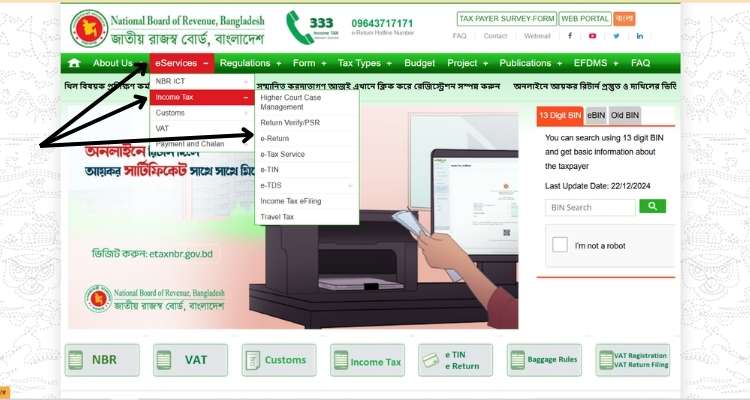
Filing Zero Income Tax Returns Online in Bangladesh

Filing income tax returns is a vital responsibility for citizens, regardless of income level. For individuals with no taxable income, submitting zero income tax returns demonstrates compliance with national regulations and maintains an active tax record. This guide explains the process of filing zero income tax returns online in Bangladesh, providing practical, step-by-step instructions and addressing common concerns.

Whether you're a student, homemaker, or retiree, understanding how to complete this process ensures you remain on the right side of the law and gain access to benefits such as financial documentation for loans or visas.

Filing Zero Income Tax Returns Online in Bangladesh

Overview of Tax Filing in Bangladesh

Tax filing is an essential civic responsibility that ensures compliance with Bangladesh’s tax regulations. It plays a critical role in the nation’s economic framework by supporting public infrastructure, development projects, and government services. Here’s a detailed overview of the tax filing process and its significance in Bangladesh:

Legal Framework

The National Board of Revenue (NBR) governs income tax regulations in Bangladesh. Every individual earning above the tax-exempt threshold must file a tax return. Even individuals without taxable income are encouraged to file, demonstrating a commitment to compliance and creating an official tax record.

Who Must File Tax Returns?

Tax filing applies to various categories of individuals and entities:

Benefits of Tax Filing

  1. Legal Compliance: Filing ensures adherence to the laws and prevents penalties for non-compliance.
  2. Access to Financial Services: A valid tax record is often required for loans, credit cards, or visa applications.
  3. Avoidance of Penalties: Late or non-filing can result in fines or legal complications.
  4. Participation in Nation-Building: Contributing to the tax system supports national development and governance.

Key Features of Bangladesh’s Tax Filing System

  1. Taxpayer Identification Number (TIN):
    • A TIN is mandatory for all taxpayers, serving as a unique identifier in the tax system.
    • Individuals must obtain their TIN from the NBR before filing returns.
  2. Online Tax Filing Portal:
    • The NBR’s online filing platform simplifies the submission process.
    • Taxpayers can log in, complete their forms, and submit returns digitally.
  3. Tax Exemptions and Deductions:
    • Certain incomes, such as agricultural earnings or small business profits below a threshold, may be exempt.
    • Deductions for investments, donations, and other approved expenses reduce taxable income.

Challenges in Tax Filing

While Bangladesh has made strides in digitalizing the tax filing process, challenges remain:

Filing income tax returns, whether for taxable or zero income, is an essential practice for financial and legal security in Bangladesh. By staying informed and compliant, citizens can not only avoid penalties but also contribute positively to the country’s economic growth.

Prerequisites for Filing Zero Returns

Filing zero income tax returns in Bangladesh is a straightforward process, but preparation is essential to ensure smooth and error-free submission. Here’s a detailed look at what you need to know and gather before starting:

Eligibility Criteria

You must file zero income tax returns if:

Exceptions include individuals who:

Required Documentation

Before you begin, ensure you have:

  1. National Identification Number (NID): Required for identity verification.
  2. Taxpayer Identification Number (TIN): An active TIN is mandatory to file any tax return.
  3. Access to the NBR Portal: Ensure you can log in or create an account on the NBR’s online filing system.
  4. Additional Documentation: For some individuals, such as business owners, proof of zero income may be required.

Step-by-Step Guide to Filing Zero Income Tax Returns Online

Filing zero returns through the NBR portal is a straightforward process. Here’s a step-by-step guide:

Step-by-Step Guide to Filing Zero Income Tax Returns Online

Step 1: Accessing the Online Portal

  1. Open your web browser and visit the NBR portal.
  2. Create an account if you’re a new user. You’ll need your NID and TIN to register.
  3. Log in using your credentials.

Step 2: Navigating the Portal

  1. Once logged in, select the “File Tax Return” option on the dashboard.
  2. Choose the option for zero income tax returns. This is specifically designed for individuals with no taxable income.

Step 3: Inputting Details

  1. Enter your personal information, including your TIN and NID.
  2. Input your income details. For zero returns, state that you had no taxable income during the financial year.
  3. Verify all data before proceeding. Errors at this stage can delay the process.

Step 4: Submitting the Return

  1. Review the return form to ensure all details are accurate.
  2. Submit the form electronically.
  3. Download the acknowledgment receipt as proof of submission.

Common Challenges and How to Overcome Them

There are many challenges to give zero return online like technical, documents and clothes. You can solve these issues by yourself;

Technical Issues

Misunderstanding Requirements

Documentation Errors

Tips for Hassle-Free Filing

  1. Organize Documents in Advance: Having your NID and TIN ready ensures a smooth process.
  2. File Early: Avoid last-minute submissions to prevent server issues or errors.
  3. Double-Check Details: Carefully review all information to reduce rejection risk.
  4. Seek Help When Needed: Use NBR’s helpdesk or consult a professional for technical or procedural assistance.

FAQs on Filing Zero Income Tax Returns in Bangladesh

Do I need to file if I have no taxable income?

Yes. Filing zero returns maintains an active tax record and ensures compliance.

What happens if I don’t file zero returns?

Failure to file can result in penalties or disqualification from benefits such as loan applications.

Can I file manually instead of online?

While online filing is encouraged, manual submission is an option for those without internet access. Visit your nearest tax office for assistance.

Is there a penalty for late filing?

Yes, penalties may apply for missing deadlines, even for zero returns. Filing early helps avoid this.

How often do I need to file?

Tax returns, including zero income returns, must be filed annually.

Conclusion

Filing zero income tax returns online in Bangladesh is a simple yet crucial step in fulfilling your civic duties. It helps maintain compliance with tax regulations, ensures access to financial benefits, and contributes to a transparent economy. By following this guide, you can complete the process with ease and confidence.

Whether you're filing for the first time or looking to ensure accuracy, this step-by-step approach demystifies the process and makes it accessible to all. Take the first step today by logging into the NBR portal and staying compliant for the future.

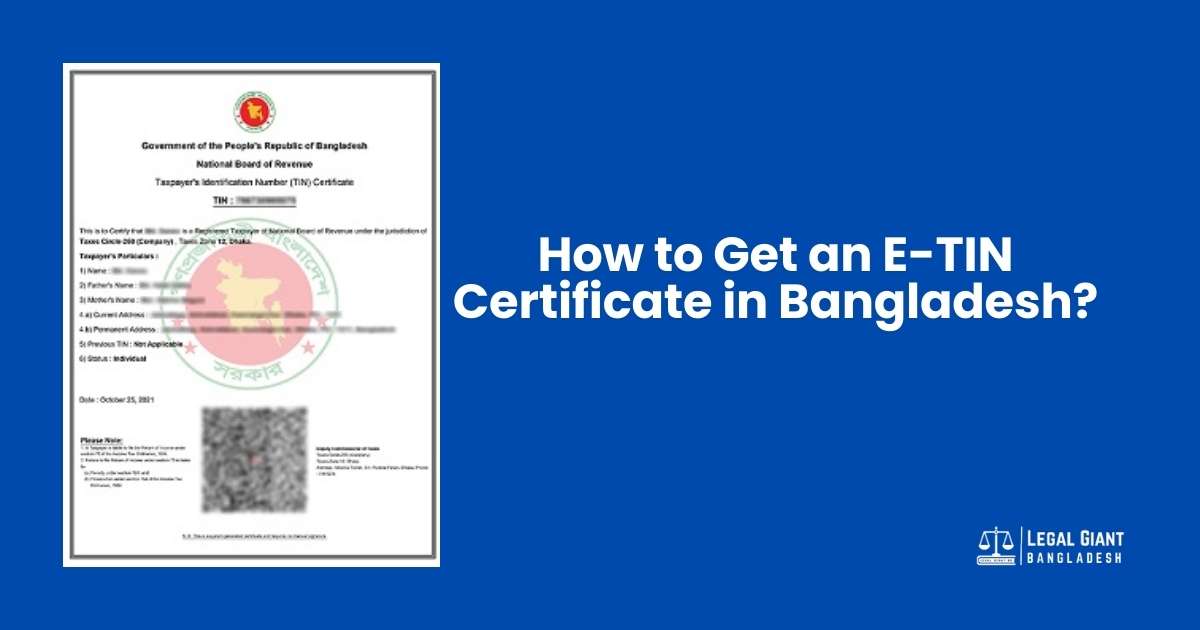
How to Get an E-TIN Certificate in Bangladesh 2025

An Electronic Taxpayer Identification Number (E-TIN) is a vital document in Bangladesh for individuals and businesses. It is a unique number assigned to taxpayers by the National Board of Revenue (NBR) and is required for a wide range of financial transactions, including opening a bank account, applying for loans, participating in tenders, and filing income tax returns.

In this comprehensive guide, we will explain everything you need to know about obtaining an E-TIN certificate in Bangladesh, including eligibility, prerequisites, step-by-step instructions, and answers to frequently asked questions.

How to Get an E-TIN Certificate in Bangladesh

What is an E-TIN Certificate?

The E-TIN certificate is a document issued by the National Board of Revenue (NBR), the central tax authority in Bangladesh. It provides a taxpayer with a unique identification number that facilitates tax-related activities. The certificate is issued electronically, streamlining the process for both the applicant and the government.

Why is it Important?

The E-TIN certificate is essential for ensuring compliance with Bangladesh's tax regulations. It is a requirement for:

Having an E-TIN also signals good financial standing and transparency.

Eligibility for an E-TIN Certificate: Who Can Apply?

Any Bangladeshi citizen or legal entity engaged in income-generating activities can apply for an E-TIN certificate. This includes:

Types of Applicants

Prerequisites for Applying

Required Documents

For a seamless application process, gather the following documents:

For Individuals

For Businesses

Information Needed

In addition to the documents, applicants should prepare the following information:

Step-by-Step Guide to Obtain an E-TIN Certificate 2025

For Individuals

  1. Visit the NBR Website
    Go to the official NBR e-Services Portal: www.incometax.gov.bd.
  2. Register as a User
    • Click on the "Register" option.
    • Provide your NID or passport number.
    • Input your name, date of birth, and other personal details.
    • Enter a valid mobile number and email address.
  3. Fill in the Application Form
    • After registration, log in and select "Apply for E-TIN."
    • Complete the form with your personal and financial details.
    • Upload the required documents.
  4. Verify and Submit
    • Review the application form for accuracy.
    • Submit the form and wait for confirmation.
  5. Receive Your E-TIN Certificate
    • Upon successful verification, the E-TIN certificate will be generated electronically.
    • Download and print your certificate for future use.

For Businesses

  1. Prepare the Necessary Documents
    Gather your trade license, NID, company details, and other required information.
  2. Access the NBR Portal
    Visit the NBR e-Services portal and create an account for your business.
  3. Fill in the Business Details
    • Select the "Corporate Taxpayer" option.
    • Enter details like the trade license number, type of business, and address.
  4. Upload Supporting Documents
    Upload scanned copies of your trade license, NID, and other relevant documents.
  5. Submit the Application
    • Double-check the form before submission.
    • Submit the application and wait for verification.
  6. Receive the E-TIN Certificate
    Once approved, the business E-TIN certificate will be available for download.

Also Read: How to Get a BIN Number in Bangladesh?

Common Uses of an E-TIN Certificate

The E-TIN certificate is required in various scenarios, including:

Financial Transactions

Government Services

FAQs About E-TIN in Bangladesh

How Do I Update My E-TIN Information?

You can log in to the NBR portal and update your information under the "Profile Update" section. Ensure that all changes are documented, such as address or contact number updates.

Is Renewal Required for an E-TIN?

No, E-TINs do not require renewal. However, you must ensure your information remains accurate and up-to-date.

What Happens if I Don’t Have an E-TIN?

Not having an E-TIN can result in legal penalties if you engage in taxable activities. Additionally, you may face restrictions on financial transactions.

Do Freelancers Need an E-TIN?

Yes, freelancers earning taxable income from local or international sources are required to obtain an E-TIN.

Conclusion and Tips

Obtaining an E-TIN certificate in Bangladesh is a straightforward process thanks to the NBR’s digitization efforts. By following the steps outlined in this guide, you can easily secure your certificate and stay compliant with tax regulations.

Tips for Success

By obtaining your E-TIN, you not only fulfill your legal obligations but also enhance your credibility in financial and business dealings.

Introduction to Criminal Courts in Bangladesh

The criminal justice system of Bangladesh plays a pivotal role in maintaining law and order, protecting individual rights, and ensuring justice for all. At the heart of this system lies the structure of criminal courts, which handle cases related to criminal offenses. Understanding the criminal courts in Bangladesh is crucial for grasping how justice is administered in the country.

This article explores the organization, functions, and roles of criminal courts in Bangladesh, providing an in-depth understanding of their framework and procedures.

Criminal Courts in Bangladesh

Overview of the Criminal Justice System in Bangladesh

The criminal justice system in Bangladesh operates under the Constitution of Bangladesh and various statutory laws. It is designed to address violations of the law, maintain public order, and safeguard the rights of individuals.

The key components of this system include:

The criminal courts form the backbone of this system, as they ensure that laws are applied and interpreted fairly.

Legal Framework Governing Criminal Courts

The criminal courts in Bangladesh derive their authority from several key laws:

Together, these legal instruments establish the jurisdiction, hierarchy, and functions of criminal courts.

Hierarchy of Criminal Courts in Bangladesh

Criminal courts in Bangladesh are organized into a hierarchical structure, ensuring efficient administration and accessibility. This structure includes:

  1. The Supreme Court of Bangladesh
  2. Sessions Courts
  3. Magistrates’ Courts

The Supreme Court of Bangladesh

At the apex of the judiciary, the Supreme Court consists of two divisions:

Although the Supreme Court primarily deals with constitutional and civil cases, it also addresses critical criminal cases, especially on appeal or revision.

Sessions Courts

The Sessions Courts, often referred to as District Courts, are the highest criminal trial courts at the district level. Each district has a District and Sessions Judge who presides over the court.

Key features of Sessions Courts:

Sessions Courts play a critical role in ensuring justice for serious criminal matters.

Magistrates’ Courts

Magistrates’ Courts are the entry point for most criminal cases. They are categorized into three classes based on their jurisdiction and powers under the CrPC:

  1. Chief Judicial Magistrates (CJM): Responsible for managing the subordinate magistrates in their jurisdiction and trying cases with sentences of up to seven years.
  2. First-Class Magistrates: Handle cases involving punishments of up to five years imprisonment.
  3. Second-Class and Third-Class Magistrates: Deal with minor offenses with lesser punishments, such as fines or short-term imprisonment.

These courts are crucial for the speedy resolution of less severe criminal matters.

Jurisdiction of Criminal Courts

The jurisdiction of criminal courts in Bangladesh is defined by:

  1. Territorial Jurisdiction: Based on the location where the offense was committed or the accused resides.
  2. Subject-Matter Jurisdiction: Determined by the nature of the offense (e.g., petty theft vs. homicide).
  3. Pecuniary Jurisdiction: Applicable in cases involving fines or financial penalties.

Each court operates within its prescribed limits, ensuring that cases are addressed appropriately at different levels of the judicial system.

Types of Cases Handled by Criminal Courts

Criminal courts in Bangladesh deal with a wide range of cases, including:

Procedures in Criminal Courts

The criminal court process follows a structured procedure to ensure fairness and justice:

Filing a Case

A criminal case begins when:

Investigation

The police investigate the offense, collect evidence, and file a charge sheet or a final report with the magistrate.

Trial Process

The trial process includes:

  1. Framing of Charges: The court determines the charges against the accused.
  2. Evidence Presentation: Both prosecution and defense present evidence and examine witnesses.
  3. Arguments: Lawyers for both sides argue their cases.
  4. Judgment: The court delivers its verdict based on the evidence and legal principles.

Appeals and Revisions

If dissatisfied with the verdict, parties may appeal to higher courts or seek a revision of the case.

Challenges Faced by Criminal Courts in Bangladesh

Despite their significance, criminal courts face several challenges:

These challenges underscore the need for reforms to improve the effectiveness of the criminal courts.

Reforms and Innovations in Criminal Justice

To address these challenges, the government and judiciary have initiated several reforms:

Such reforms aim to make the criminal justice system more accessible, fair, and efficient.

Role of Criminal Courts in Upholding Justice

The criminal courts in Bangladesh are vital for:

Their role extends beyond punishment, contributing to the broader goals of justice and equity.

Conclusion

The criminal courts of Bangladesh are integral to the nation's judicial system, providing a mechanism for resolving disputes, ensuring accountability, and upholding the rule of law. While they face significant challenges, ongoing reforms offer hope for a more effective and equitable justice system. Understanding their structure and functions is essential for anyone seeking to engage with the legal landscape of Bangladesh.